


When people bring us their hair questions, the same words come up again and again: dry, breaking, frizzy, won't grow past a certain point. We usually talk about those as hair problems. Often they start one layer down, at the scalp.
That idea sits at the center of Chelsea Ashira, a clean hair care line built around a simple three-step routine: Cleanse, Repair, and Seal. We sat down with founder Chelsea Ashira to talk about her own hair journey, why she formulates the way she does, and how she thinks about the scalp. Along the way, we've added notes on what the research says about the ingredients, because a good routine works better when you know what each step can and can't do.

Why it starts at the scalp
It's easy to forget, but the scalp is skin, with the same needs as the rest of your skin: a healthy barrier, the right balance of oil and moisture, and gentle handling. It produces sebum, the natural oil that protects both scalp and strands. (We went deeper on this in Your Scalp Is Skin.)
On straight hair, that oil travels down the strand fairly easily. On curly and coily hair, it doesn't, which is a big part of why textured hair tends to feel dry at the ends even when the scalp is oily. Add frequent manipulation, heat, chemical processing, or tension from styling, and the lengths become more prone to breakage.
So a scalp-first routine usually comes down to three things: cleanse without stripping, put moisture back into the lengths, and help keep it there. That's very close to how Chelsea built her line.
Meet Chelsea Ashira
Launched in 2022, Chelsea Ashira combines botanical ingredients with modern cosmetic science in formulas made without sulfates, silicones, parabens, or added fragrance, and free of nut-derived ingredients. The core routine is three full-size products: the Strengthening Shampoo, the Hydrating Repair Masque, and the Hair Oil. The line is now available on Nordstrom.com.
What inspired you to launch Chelsea Ashira, and how did your own hair journey shape it?
"Chelsea Ashira was born from my own hair journey. I experienced periods of damage, dryness, and breakage, and I became very intentional about understanding what I was putting on my hair and scalp. I wanted to create products that made hair care feel less complicated while still delivering meaningful results.
In 2022, I turned that personal experience into Chelsea Ashira with the goal of creating clean, effective formulas that nourish the hair without compromising on quality. I wanted the brand to represent the idea that beautiful hair begins with healthy hair practices, thoughtful ingredients, and consistency."
Why was a clean, nut-free standard so important to you from day one?
"From the beginning, I wanted Chelsea Ashira to be a brand where customers could feel confident about what they were using. I believe hair care should be both effective and intentional, which is why we chose to formulate without sulfates, silicones, parabens, and added fragrance. Being nut-free was also an important part of creating a more thoughtful formula standard. Every ingredient has a purpose, and I wanted our approach to reflect a balance between nature and modern cosmetic science."
The Hub take: Two of those choices matter a lot for sensitive scalps. Fragrance is one of the most common causes of allergic and irritant reactions in personal care products, so fragrance-free formulas are a sensible starting point if your scalp tends to itch or react. Nut-free matters if you or someone in your home has a nut allergy, since many hair oils and butters are nut-derived. "Clean" itself isn't a regulated term, and sulfates and silicones aren't harmful, but sulfate-free cleansers are often gentler on dry, textured hair.
Step one: Cleanse
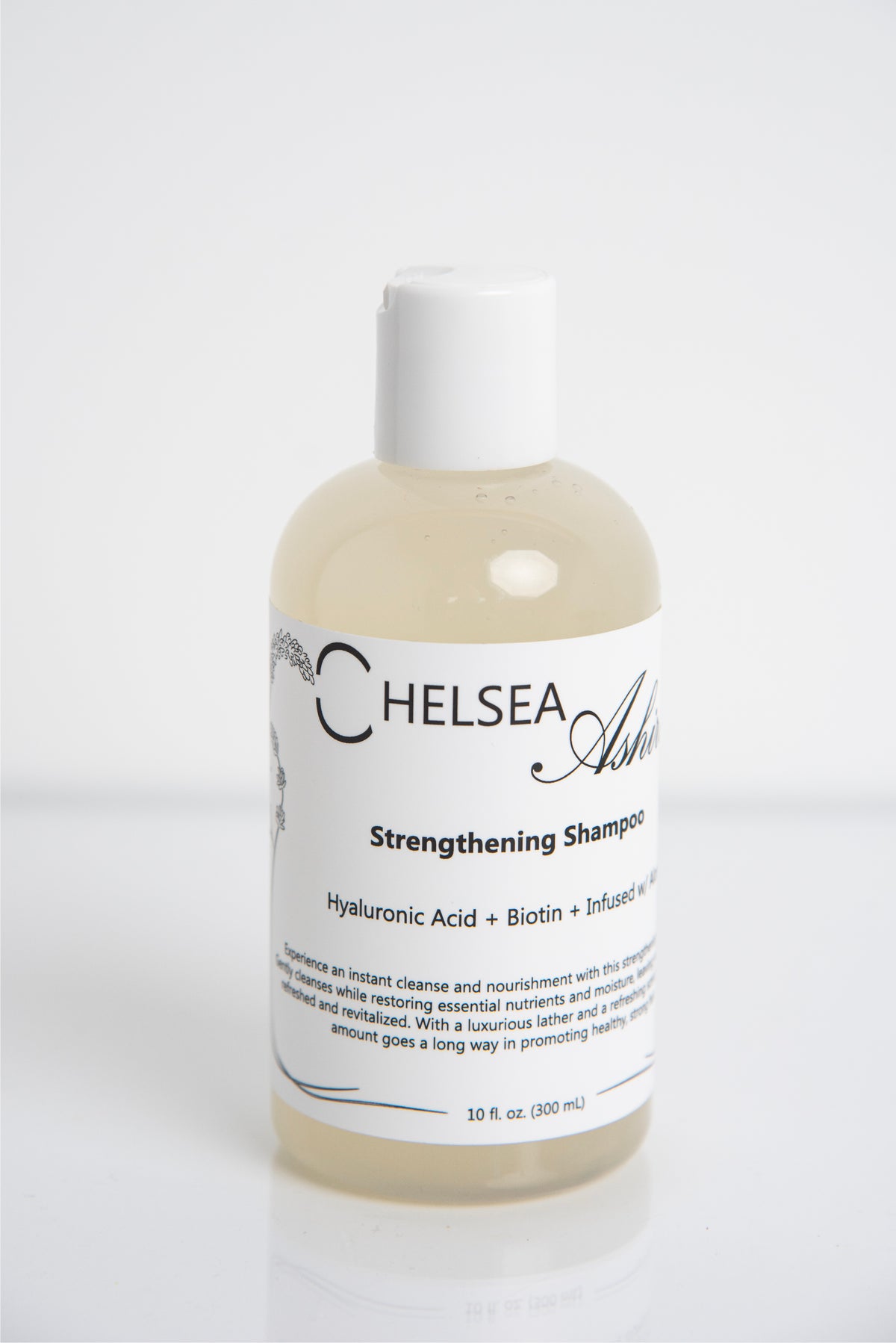
Your Strengthening Shampoo features Hyaluronic Acid, Biotin, and Aloe. Why put skin-first hydrating ingredients into a cleanser?
"I approach hair care very much like skin care. The scalp and hair need moisture, nourishment, and a healthy environment to look and feel their best. Incorporating these ingredients into the shampoo allowed us to make cleansing more than just removing buildup. It became the first step in preparing the hair for the rest of the repair routine."
Clarifying shampoos often leave hair feeling stripped. How does this one cleanse buildup while keeping hair soft?
"The goal was to create a shampoo that effectively cleanses without making the hair feel stripped. The Strengthening Shampoo is formulated to remove everyday buildup while incorporating moisturizing and conditioning-focused ingredients. I wanted cleansing to be the beginning of the repair process, not something that works against it. The result is for the hair to feel clean, soft, and prepared for the Hydrating Repair Masque."
The Hub take: Hyaluronic acid and aloe are humectants, meaning they help draw in and hold water, which is what dry hair and a tight-feeling scalp need. Biotin is a familiar name in hair care, but it's worth knowing that the research on biotin and hair growth is mainly about people with a true biotin deficiency, which is uncommon. And if you take biotin as a supplement for your hair, tell your provider before any blood work: high doses can interfere with some lab tests and skew the results.
Step two: Repair

The Hydrating Repair Masque is the intensive treatment step. What's in it, and how does it help dry or over-processed hair?
"The Hydrating Repair Masque features ingredients selected to focus on moisture, nourishment, softness, and manageability. Two of the key ingredients are Marula Oil and Pomegranate Sterols, which were chosen for their conditioning and nourishing properties. The formula was designed to give dry, stressed, or over-processed hair an intensive treatment step within the three-step system.
Dry and over-processed hair often needs moisture and conditioning to improve how it feels and behaves. The masque helps replenish moisture and provides conditioning that leaves the hair feeling softer, smoother, and more manageable. With consistent use, the goal is to improve the overall feel, appearance, and manageability of the hair while helping reduce the look of dryness and breakage."
The Hub take: "Consistent" is the key word. Conditioning treatments make strands smoother and more flexible, and hair that bends instead of snapping breaks less during detangling and styling. That's real, but it's cumulative, and it works best alongside gentle handling: detangling from the ends up, low-tension styles, and limiting heat.
Step three: Seal
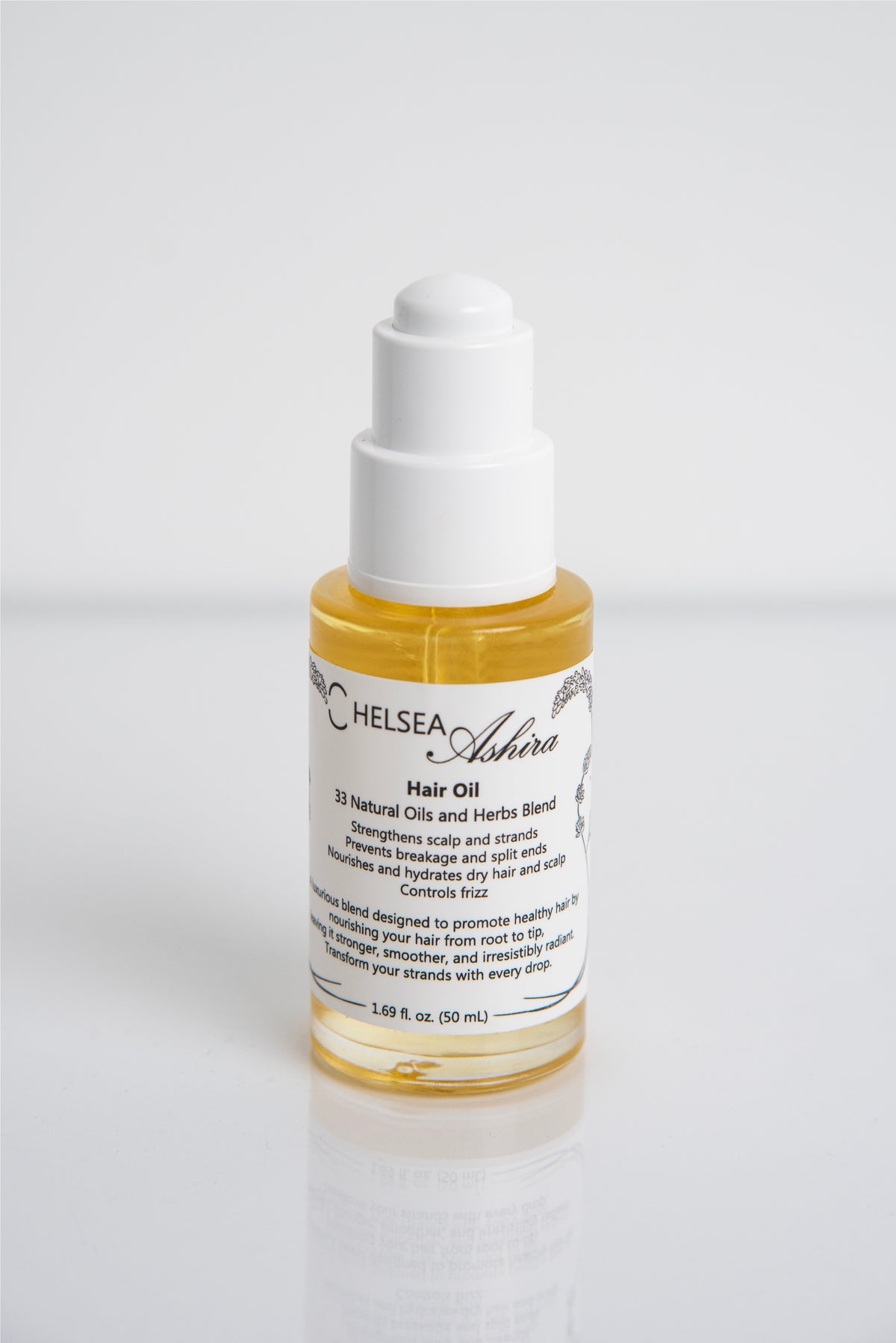
The Hair Oil blends Rosemary, Peppermint, Lavender, Passionfruit, Sage, and Thyme. How do they work together to support the scalp?
"The Hair Oil was created as a nutrient-rich blend of botanical oils and herbs designed to nourish the scalp and hair. Ingredients such as rosemary, peppermint, lavender, passionfruit, sage, and thyme are traditionally valued in hair and scalp care for their nourishing and refreshing properties.
Rather than relying on one hero ingredient, I wanted to create a blend where the oils complement one another to help moisturize the scalp, nourish the strands, reduce the feeling of dryness, and support an overall healthy-looking hair routine."
Many oils feel heavy or greasy. How did you keep this one lightweight across different textures?
"That was one of the most important considerations when developing the Hair Oil. I wanted it to feel nourishing without leaving the hair feeling coated or overly greasy. We use lightweight, nutrient-rich oils such as Camellia Seed and Avocado Oil as part of the blend. The goal was to create an oil that can be worked into the scalp or applied through the lengths of the hair while still allowing the hair to feel soft, conditioned, and manageable."
The Hub take: Oils don't add moisture on their own. They help seal in the water you've already put into your hair, which is why oil works best as the last step. Rosemary oil gets a lot of attention for growth: one small 2015 study found it performed similarly to a low-strength minoxidil over six months in people with pattern hair loss, which is promising but far from settled. Peppermint's growth research is mostly in animals so far. Essential oils can also irritate, so patch test first, skip broken or inflamed skin, and stop if your scalp tingles past mild or starts to itch.
The concerns she hears most
What are the top concerns you hear about hair repair and shine?
"The biggest concerns I hear are dryness, breakage, frizz, lack of shine, tangling, and hair that feels difficult to manage. I also hear from people who feel like they've tried countless products but still haven't found a routine that works consistently for their hair.
That's one reason I created the three-step system. Instead of overwhelming people with dozens of products, I wanted to simplify the routine: Cleanse, Repair, and Seal."
What's next for Chelsea Ashira?
"Chelsea Ashira is still in an exciting growth phase. My vision is to continue expanding the brand while staying true to the standards we started with: clean formulas, purposeful ingredients, and products that make people feel confident about their hair. Chelsea Ashira is now available on Nordstrom.com, and I'm excited about expanding our retail presence and reaching more customers who are looking for effective, elevated hair care. Ultimately, I want Chelsea Ashira to become a trusted name in clean hair care and a brand that people come back to throughout every stage of their hair journey."
What's the one thing you want people to know about Chelsea Ashira?
"I want them to know that Chelsea Ashira was created with intention. Every product was inspired by my own hair journey and my desire to create a simpler, more thoughtful approach to hair care."
When it's more than dryness
A good routine can do a lot for dry, breaking hair. It can't treat hair loss with a medical cause, and some of those causes are far more common in Black women than most of us were ever told.
Central centrifugal cicatricial alopecia, or CCCA, is a form of hair loss that starts at the crown and spreads outward. It's one of the most common causes of scarring hair loss in Black women, and because the scarring is permanent, catching it early matters. Traction alopecia, caused by repeated tension from tight styles, braids, weaves, and edges, is reversible early on and can become permanent if the tension continues.
Signs it's time to see a dermatologist rather than switch products:
- Thinning or a widening part at the crown
- Itching, burning, tenderness, or bumps on the scalp that don't settle
- Patches of hair loss, or areas where the scalp looks smooth and shiny
- Edges or a hairline that keep receding
- Sudden or heavy shedding, especially after illness, childbirth, major stress, or a medication change
If you can, look for a dermatologist with experience treating textured hair, and bring photos that show how things have changed over time. You deserve a provider who takes your scalp as seriously as you do. For more on recognizing the early signs, read Why Hair Loss Looks Different for Black Women.
The through line
Healthy hair is mostly unglamorous: a scalp that isn't irritated, lengths that hold on to moisture, and handling gentle enough that strands aren't breaking faster than they grow. Chelsea Ashira's routine is built around exactly those basics, and that's what makes it worth a look.
To keep up with Chelsea Ashira, follow the brand on Instagram, TikTok, and YouTube, and shop the line at Nordstrom.com.
This article is for informational purposes and is not medical advice. It cannot diagnose any condition. Talk to a qualified healthcare provider or board-certified dermatologist about hair loss, persistent scalp symptoms, or before starting any supplement. Product descriptions reflect the brand's own statements. Full disclaimer.


